
Drawquarium Fish Relationships: Companion Bonds and Social Mechanics
Drawquarium fish relationships develop automatically as creatures share tank space, leading to dynamic social bonds such as besties, soulmates, and rivalries over time. Monitoring individual status profiles lets you track evolving family trees, behavioral affinities, and companion bonds.
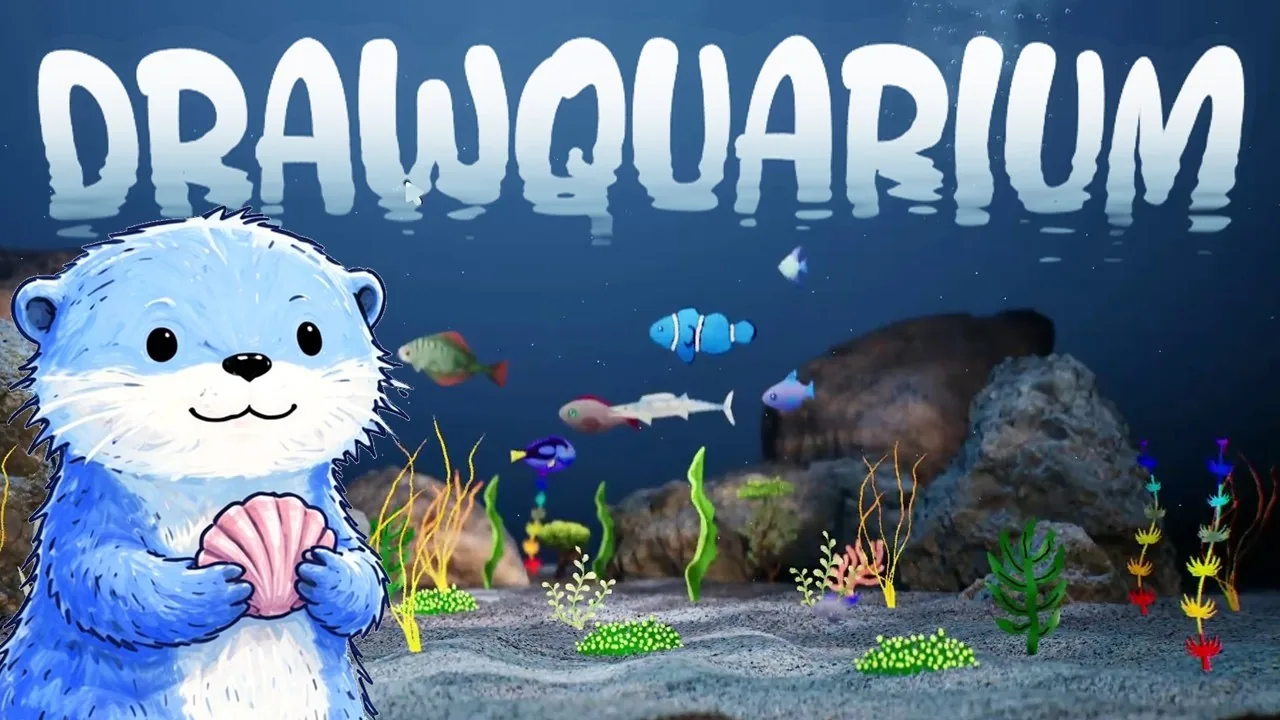
Drawquarium fish relationships develop automatically as creatures share tank space, leading to dynamic social bonds such as besties, soulmates, and rivalries over time. Monitoring individual status profiles lets you track evolving family trees, behavioral affinities, and companion bonds.
How Companion Interactions Form in the Tank
Fish in Drawquarium live as autonomous creatures once introduced to the habitat. When you draw fish or spawn them from default shapes, each specimen is assigned individual characteristics, a name, and behavioral tags. Companions wander across the tank layers according to their movement profiles, drifting near the substrate, coasting through mid-water greenery, or swimming actively near the surface.
Social connections develop through proximity and ongoing cohabitation. As developer byKaleb outlined on the official Steam page, creatures placed together interact organically to establish bonds. Two fish swimming near each other regularly can form lasting friendships, becoming recognized in their profile text as best friends. Conversely, cohabitation can occasionally lead to frictions where fish turn into rivals, quibbling over territory or movement routes.
Beyond casual companionship, fish can find compatible soulmates. Compatible pairs eventually produce offspring, creating generations of smaller fry that expand your aquatic lineage. You can monitor these connections directly through the in-game family tree system, which tracks biological connections and ancestral lines as your ecosystem matures.
Inspecting Social Status and Life Milestones
Clicking on an active creature opens its status card, displaying current social tags and life details. The game automatically assigns descriptive titles reflecting personal history and social standing within the tank:
- First Fish: Designated to the very first organism you introduce to a specific tank.
- Oldest Fish and Youngest Fish: Dynamic seniority markers updated whenever you introduce or hatch new companions.
- Bestie Status: Indicates a mutual bond, explicitly displaying lines such as "Best friends with [Name]" or "This fish has a bestie."
- Generation and Offspring: Details documenting parentage and offspring progress within the family tree interface.
When you consistently feed fish across their daily feeding cycles, well-tended companions grow in size and develop a metallic sheen, eventually maturing into prize golden specimens. Milestones like reaching level 25 track ongoing longevity, enabling older fish to progress through family life stages.
Managing Tank Populations and Companion Dynamics
Balancing the number of active swimmers influences how often interactions trigger across your tank decorations.
| Tank Rearing Approach | Primary Purpose | Practical Requirements |
|---|---|---|
| Co-housing diverse companions | Cultivating friendships, soulmates, and family trees | Demands regular food distribution and sufficient tank capacity |
| Using the duplicate function | Pairing a companion with an identical twin immediately | You must clone fish and manage extra tank slots |
| Solitary specimen housing | Focusing attention on aging a single prize swimmer | Prevents social friction but disables soulmate pairing and breeding |
Adding more inhabitants increases social encounters, though physical space must be managed. When you desire an immediate companion for an isolated creature without drawing a new species, you can duplicate an existing specimen to establish immediate proximity.
Direct Interaction and Daily Care
Player actions directly influence how companions react within the water column. Fish react when you blow air bubbles or tap the aquarium glass, frequently turning toward the cursor or scattering away from abrupt disturbances. They also follow mouse clicks, allowing you to herd distant companions closer to potential partners.
Maintaining consistent care keeps social relationships intact. Fish require feeding on a 24-hour cycle to avoid starvation and distress. Keeping the tank clean of uneaten food particles and muck ensures that specimens remain healthy enough to breed, age into golden variants, and yield golden scales.
If you keep your tank running in wallpaper mode, companion relationships continue to run seamlessly in the background of your desktop, enabling fish to swim alongside each other and advance their social ties while you work.
Next step
Golden Scales
Find out how to earn golden scales by raising fish and discover the decorations, brushes, and templates you can unlock with them.
Related Guides
Unlock Decorations
Discover exact milestones and progression currencies needed to unlock decorative items, structures, and tank customization options in Drawquarium.
Beginner Guide
Learn how to build your first tank in Drawquarium by creating custom plants, configuring swimming behaviors, and feeding hungry fish.